St Patrick's Catholic Primary School
Phonics
Why Phonics Matters
Phonics is the essential foundation for your child’s reading and writing success. By teaching children to connect spoken sounds with written letters, we give them the tools to confidently decode any word. Mastering this skill early boosts spelling, builds reading fluency, and fosters a lifelong love for books.
Phonics Coffee Morning
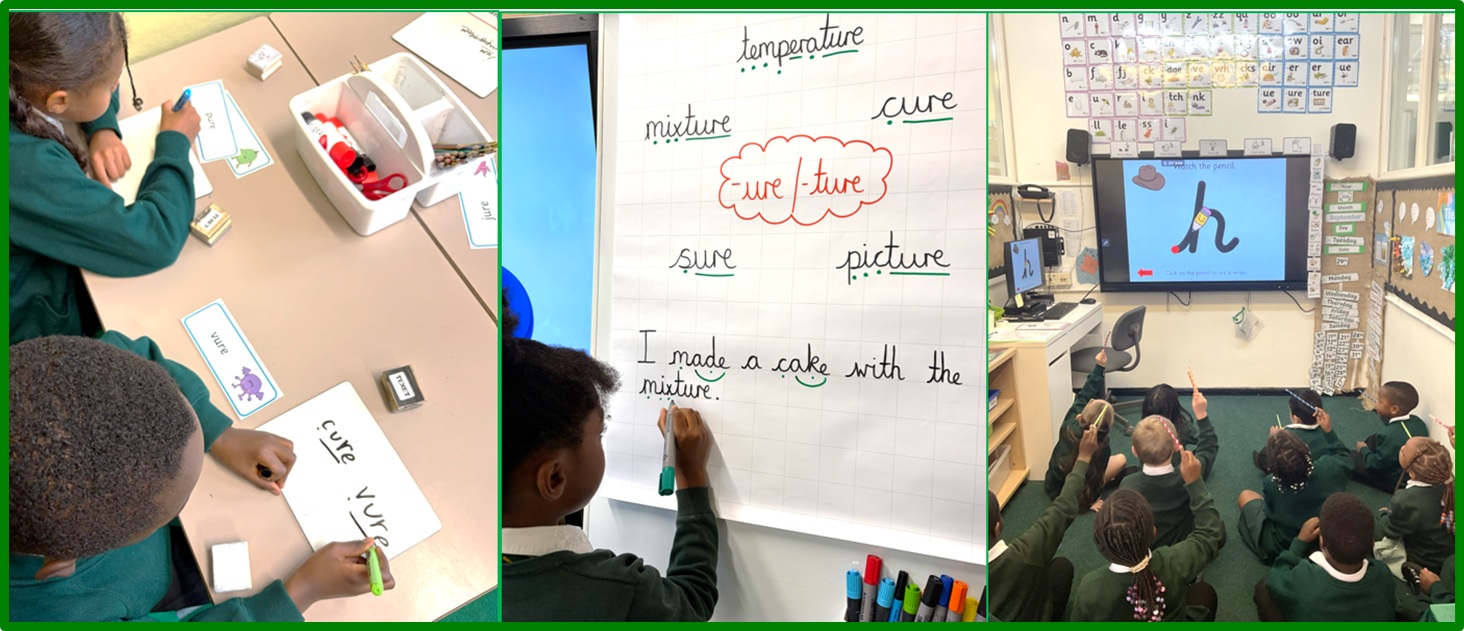
At St Patrick's, we have coffee mornings for parents to see how we teach reading in the classroom. Methods have changed a lot over the years, so this is a relaxed chance to learn our daily routines over a cup of tea! We will explain how we teach letter sounds and share easy ways you can support your child. Please click the link below to download the most recent meeting content.
How to Help at Home
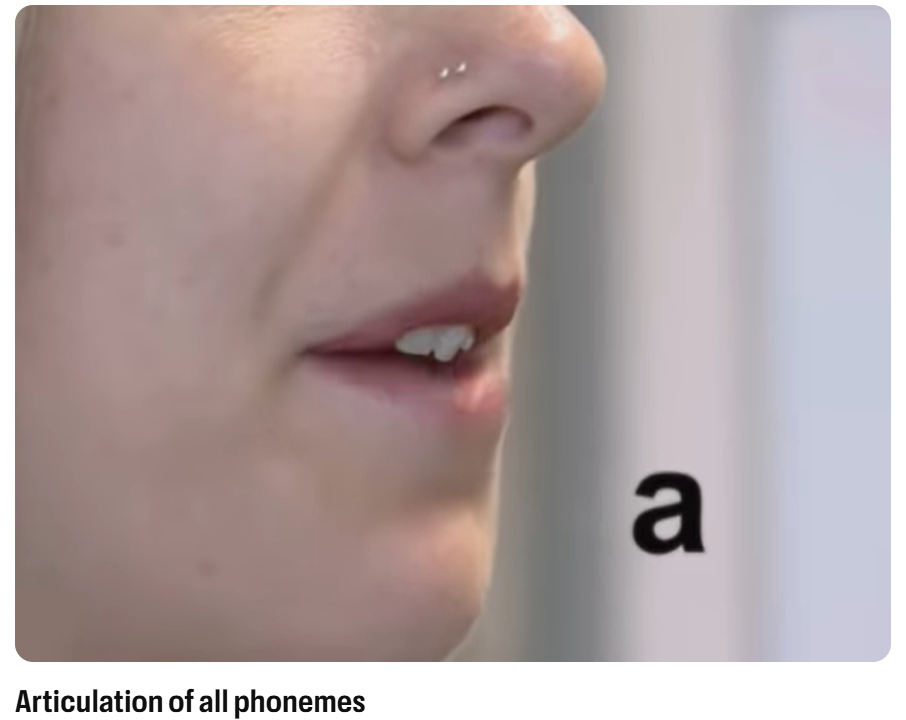
Your support at home makes a massive difference, but pronouncing sounds exactly right can be tricky. We have linked a helpful video guide below from phonics experts. It clearly demonstrates how to say each sound correctly, so you can confidently practice reading with your child at home.
Phonics at St Patrick's
Phonics is taught daily in our school, following the Floppy’s Phonics teaching programme. The intent behind Floppy Phonics is to provide a rigorous, step-by-step framework that engages children from the outset, ensuring they become enthusiastic, fluent, and successful readers and writers.
The programme provides a clear, progressive route with daily interactive sessions, driving strong progress through the phonics phases to meet and exceed the expected standard in the Year 1 Phonics Screening Check. Children begin their phonics journey immediately upon entry to Reception.
Expected Progression Pathway
Reception: Focuses initially on Phase 1, moving rapidly into Phase 2 and Phase 3. By the end of Reception, children master Phase 4, blending confidently to read CVCC words straight off the page.
Year 1: Begins with a recap of Phase 4 before moving deeply into Phase 5. Children learn alternative pronunciations and graphemes for known sounds (e.g., spelling variations and split digraphs). Year 1 concludes with the statutory Phonics Screening Check.
Year 2: Focuses on word reading fluency and accurate spelling (encoding). Children learn advanced word structures, suffixes, prefixes, and spelling rules to transition into fully independent readers.Children frequently practise blending for reading and segmenting for spelling, applying their knowledge directly to sentences.
More Information About Each Phase
Phase 1
Phonics focuses on conversational and listening games that help your child hear, copy, and distinguish different sounds in the world around them. These fun activities build a vital foundation for reading by training your child’s ears to hear letter sounds before they start learning to read written words.
Phase 2
In Phase 2, children begin to learn the sounds that letters make (phonemes). There are 44 sounds in all. Some are made with two letters, but in Phase 2, children focus on learning the 19 most common single letter sounds.
They will learn the most commonly used phonemes first, starting with: /s/, /a/, /t/, /i/, /p/, /n/.
By the end of Phase 2 children should be able to read some vowel-consonant (VC) and consonant-vowel-consonant (CVC) words, and to spell them out. They also learn some high frequency words like ‘the’ and ‘go.’
Phase 3
Phase 3 introduces children to the remaining, more difficult and less commonly used phonemes. There are around 25 of these, mainly made up of two letters such as /ch/, /ar/, /ow/ and /ee/. They learn the names of the letters, as well as the sounds they make.
By the end of this phase, children should be able to say the sound made by most, or all, Phase 2 and 3 graphemes, blend and read CVC words made from these graphemes and write letters correctly when given an example to copy.
Phase 4
By now, children should be confident with each phoneme. In Phase 4 phonics, children will, among other things:
-
Practise reading and spelling CVCC words (‘such,’ ‘belt,’ ‘milk’ etc)
-
Practise reading and spelling high frequency words
-
Practise reading and writing sentences
-
Learn more tricky words, including ‘have,’ ‘like,’ ‘some,’ ‘little’
Children should now be blending confidently to work out new words. They should be starting to be able to read words straight off, rather than having to sound them out. They should also be able to write every letter, mostly correctly.
Phase 5
Phase 5 generally takes children the whole of Year 1. Children learn new graphemes (different ways of spelling each sound) and alternative pronunciations for these: for example, learning that the grapheme ‘ow’ makes a different sound in ‘snow’ and ‘cow’.
They should become quicker at blending, and start to do it silently. They also learn about split digraphs such as the a-e in ‘name.’
They’ll start to choose the right graphemes when spelling, and will learn more tricky words, including ‘people,’ ‘water’ and ‘friend’. They also learn one new phoneme: /zh/, as in ‘treasure.’
Phonics Intervention & Support
Frequent and ongoing assessments are embedded within our daily teaching structure. This allows teachers to closely track and record each child's progress, quickly identifying anyone falling behind or requiring extra practice.
At St Patrick's, we deliver tailored keep-up and catch-up interventions that mirror the main Floppy’s Phonics progression. Targeted, small-group pre-teaching or post-teaching sessions ensure that gaps in phonemic code knowledge are closed quickly and efficiently.